Retaining Walls & Concrete Masonry
Build strong, attractive retaining walls that manage slopes and prevent erosion on your property.
Retaining Walls That Hold Strong and Look Great
If your property has slopes, elevation changes, or erosion problems, a properly built retaining wall solves those issues while adding usable space and visual interest. Retaining walls hold back soil, create level areas, prevent erosion, and can transform unusable hillsides into functional outdoor spaces.
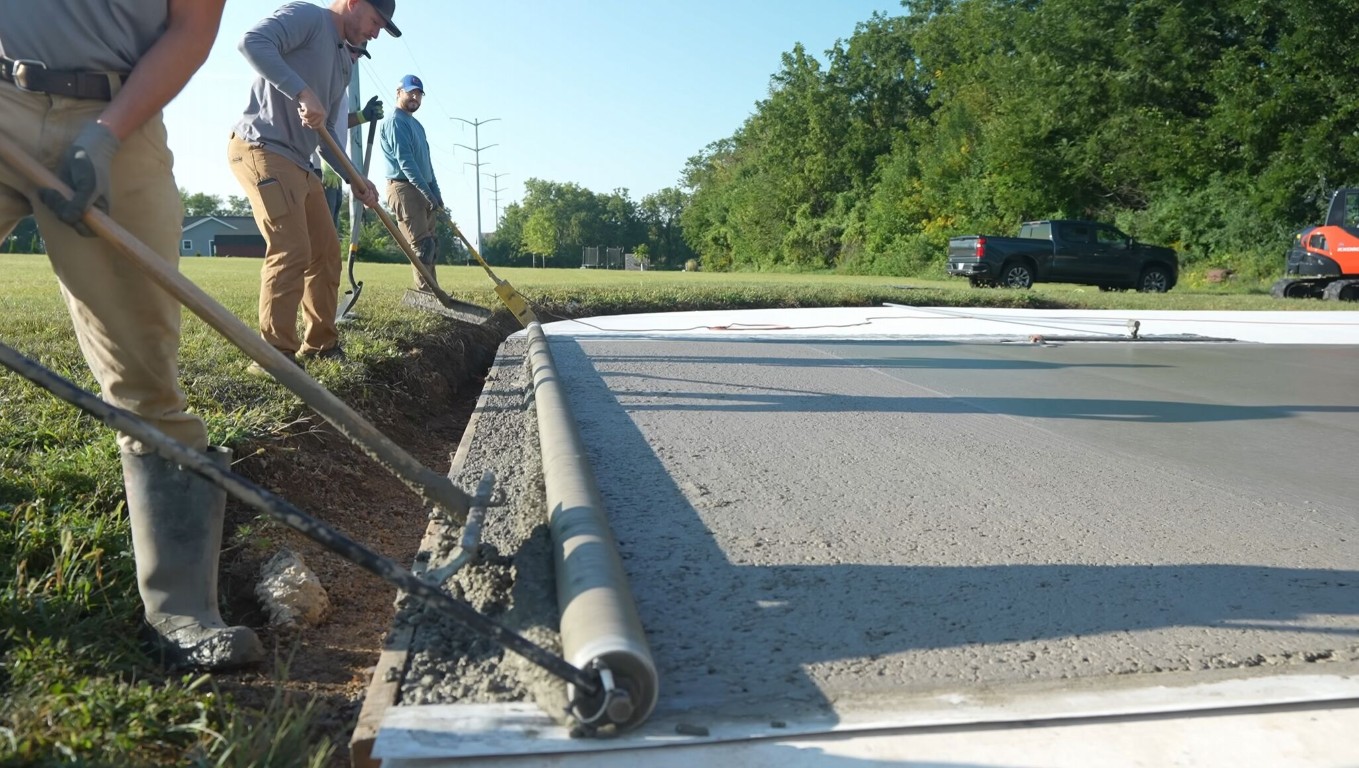
We build all types of retaining walls and concrete masonry structures in Midlothian. From short decorative garden walls to tall engineered retaining systems, we have the experience and equipment to handle projects of any size. The key to a successful retaining wall is proper design, solid foundation work, and correct drainage behind the wall.
Many homeowners don't realize that retaining walls are structural elements that require careful planning. A poorly built wall can fail within a few years, creating expensive problems. Our team understands the engineering principles, drainage requirements, and construction techniques that make retaining walls last for decades.
Types of Retaining Walls and Masonry We Build
Different situations call for different types of retaining walls. Here are the most common options:
- •Concrete block walls: Versatile, strong, and available in many colors and textures for different looks
- •Poured concrete walls: Maximum strength for tall walls or heavy soil loads
- •Segmental retaining walls: Interlocking block systems designed specifically for retaining soil
- •Natural stone walls: Beautiful traditional look using natural stone materials
- •Decorative garden walls: Lower walls for landscaping definition and visual interest
- •Terraced wall systems: Multiple walls creating level areas on steep slopes
The right choice depends on the height you need, soil conditions, drainage requirements, and your budget. We'll evaluate your property and recommend the best solution for your specific situation. Walls under 4 feet are typically straightforward. Taller walls may require engineering and permits, which we coordinate as needed.
Why Your Property Might Need a Retaining Wall
Prevent Erosion and Soil Loss
Slopes naturally erode over time, especially during heavy Texas rains. Retaining walls hold soil in place and prevent erosion that could undermine structures, damage landscaping, or create drainage problems. This protection is especially important on properties with significant elevation changes.
Create Usable Space
A sloped yard limits where you can put patios, play areas, or gardens. Retaining walls create level terraces that turn unusable hillside into functional outdoor living space. This dramatically increases the usable area of your property.
Improve Drainage
Properly designed retaining walls include drainage systems that manage water flow. This prevents water from pooling against your foundation or creating muddy areas in your yard. Better drainage means healthier landscaping and fewer moisture problems.
Enhance Property Value and Appearance
Well-built retaining walls add curb appeal and increase property value. They allow for more attractive landscaping, create defined outdoor spaces, and demonstrate quality improvements to potential buyers. A professional retaining wall installation is an investment that pays dividends.
How We Build Retaining Walls That Last
Building a retaining wall correctly requires understanding the forces at work. Soil pushes against the wall with significant pressure, especially when wet. The wall must be strong enough to resist that pressure without failing. Drainage behind the wall is critical because water adds tremendous weight and pressure.
We start every retaining wall project with careful planning. We evaluate the slope, measure the height needed, assess soil conditions, and check for drainage issues. If the wall will be over 4 feet tall or support additional loads, we may bring in a geotechnical engineer for design assistance.
Foundation preparation is critical. We excavate below the frost line and create a level, compacted base. For taller walls, we pour concrete footings. The first course of blocks or stones is set carefully because everything above depends on that foundation.
As we build upward, we install drainage pipe and gravel behind the wall to channel water away. This backfill drainage is what prevents hydrostatic pressure that causes wall failure. We also install geogrid reinforcement if needed to tie the wall into the soil mass behind it.
The finished wall is backfilled properly, with soil compacted in layers to prevent future settling. We cap the wall if appropriate and ensure proper drainage exits at the base. The result is a strong, attractive wall that performs its job reliably for decades.
Experience With Midlothian's Terrain and Soil
Midlothian's expansive clay soil presents unique challenges for retaining walls. The soil expands when wet and shrinks when dry, creating significant pressure changes. We account for this in our wall designs by using proper drainage, adequate base preparation, and appropriate construction methods.
We've built retaining walls throughout Midlothian for residential and commercial properties. Each project teaches us more about what works in this specific environment. That local knowledge helps us build walls that perform reliably despite challenging soil conditions.
Whether you need a small garden wall, a major retaining system, or concrete masonry work of any kind, we bring professionalism and expertise to every job. We're licensed, insured, and committed to building structures that last. If you're also considering patio work or other concrete projects, we can often coordinate multiple improvements efficiently.
Common Questions About Retaining Walls
Need a Retaining Wall or Masonry Work?
Let's evaluate your property and discuss your options. We'll provide expert recommendations and a detailed quote.
Call (469) 856-7413